
Deer-Resistant Landscaping for the Texas Hill Country
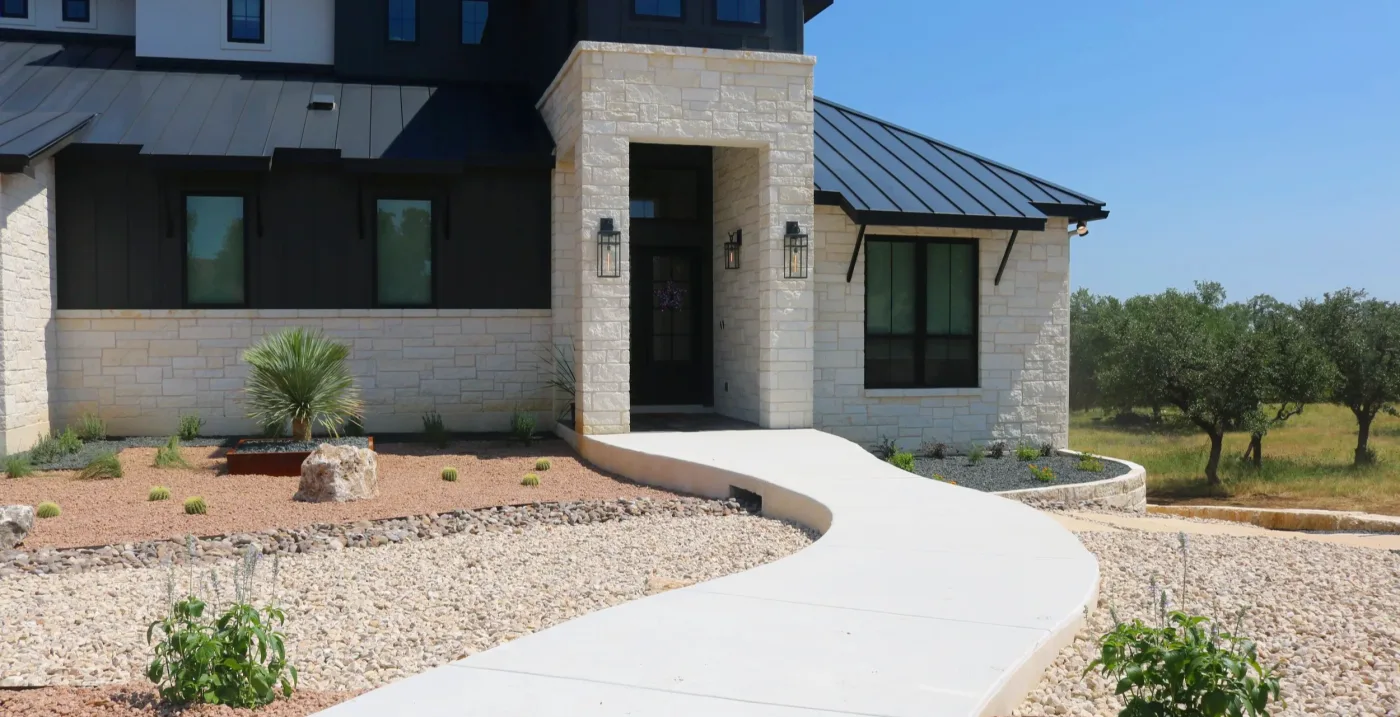
If you’ve planted something new in your yard only to walk out and find it chewed and almost gone, you already know the reality of gardening out here. The Hill Country has one of the highest white-tailed deer populations in Texas, and a beautiful new flower bed can look like a gourmet meal to them. The good news: with the right plant choices and a little design strategy, you can build a yard that deer leave alone for the most part!
Why Deer Are Such a Problem for Hill Country Yards
Deer are drawn to this area because it has everything they need: rolling terrain, natural water sources, and plenty of native vegetation. In neighborhoods across Spring Branch, Bulverde, and Canyon Lake, that means deer wander through yards daily looking for young plants.
There is no such thing as a truly deer-proof plant. When food is scarce, deer will nibble on almost anything, including plants that are labeled deer-resistant. What you are really doing when you plan a deer-resistant yard is stacking the odds in your favor by choosing plants deer tend to avoid and designing around the ones they do not.
What Actually Makes a Plant Deer-Resistant
Deer rely heavily on scent and texture to decide what is worth eating. Plants that are strongly scented, fuzzy, prickly, or tough and leathery tend to get passed over in favor of easier, more tender options nearby. That is why so many of the most reliable choices in this region share a few traits:
- Strong or pungent smell, like herbs and Texas sage
- Silvery or gray foliage, often a sign of a drought-tolerant plant deer also avoid
- Spiky, thorny, or leathery textures, like yucca and agarita
- Fuzzy or textured leaves that are less appealing to chew
Keep in mind that even resistant plants are more vulnerable while they are young and establishing. Newly planted material almost always needs some protection for the first season, regardless of the variety.
Best Deer-Resistant Plants for This Area
Shrubs
- Texas sage (cenizo): silver-gray foliage and lavender blooms, extremely drought tolerant and a Hill Country staple
- Agarita: spiny, evergreen, and nearly untouched by deer
- Yucca and red yucca: bold, architectural, and one of the most reliable deer-resistant choices around
- Evergreen sumac: dense and low maintenance, good for filling out a bed
Perennials and groundcovers
- Salvia (all varieties): colorful, low water, and one of the most dependable deer-resistant perennials
- Lantana: tough, heat loving, and blooms most of the summer
- Damianita: a true xeric plant that needs almost no supplemental water
- Rosemary and other herbs: mint, thyme, and oregano are pungent enough that deer typically skip them
Grasses and accents
- Ornamental grasses like Gulf muhly are rarely bothered and add movement and texture to a bed
- Turk’s cap works well as an understory perennial in partially shaded areas
Mixing these across a bed, rather than relying on one or two, gives the best results. A yard with varied textures and scents is simply less inviting to deer than one filled with a single tender, leafy plant.
Plant choice matters, but so does design
Plant selection matters most, but a few design decisions make a real difference too.
- Protect new plantings. Anything freshly installed benefits from temporary fencing or netting for the first few months while it establishes.
- Keep tender plants closer to the house. Deer are more cautious near high-traffic areas, so less resistant plants tend to fare better close to entryways and patios.
- Layer your beds. Combining native plants, natural stone, and mulch, similar to what we covered in this recent blog, creates a layout that is both deer-resistant and built for our climate.
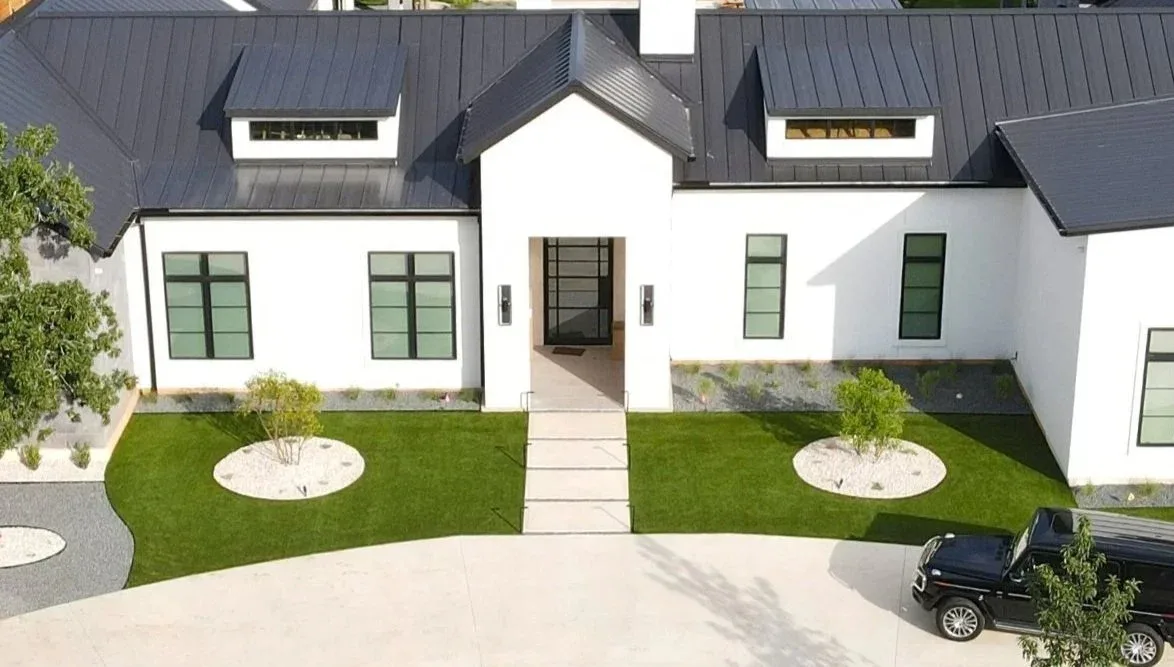
- Considerartificial turfin high-traffic zones. It removes the temptation entirely in areas like pool surrounds where deer damage tends to be worst.
When to Call a Professional
A deer-resistant yard is really a design problem as much as a plant list. It takes knowing which plants actually perform under real Hill Country conditions, how to lay out a bed so it holds up over time, and how to protect new plantings while they establish. If deer have already taken out a section of your yard, or you are starting a new bed and want it to last, that is exactly where our landscape design team can help.
We have planned and installed deer-resistant landscapes across Spring Branch, Bulverde, and Canyon Lake, and we know which plants actually hold up here versus which ones just look good on a list. If you’re ready to stop replacing chewed-up plants every season, request a free quote and we’ll help you build something that lasts.