Texas Native Plants for Hill Country Homes
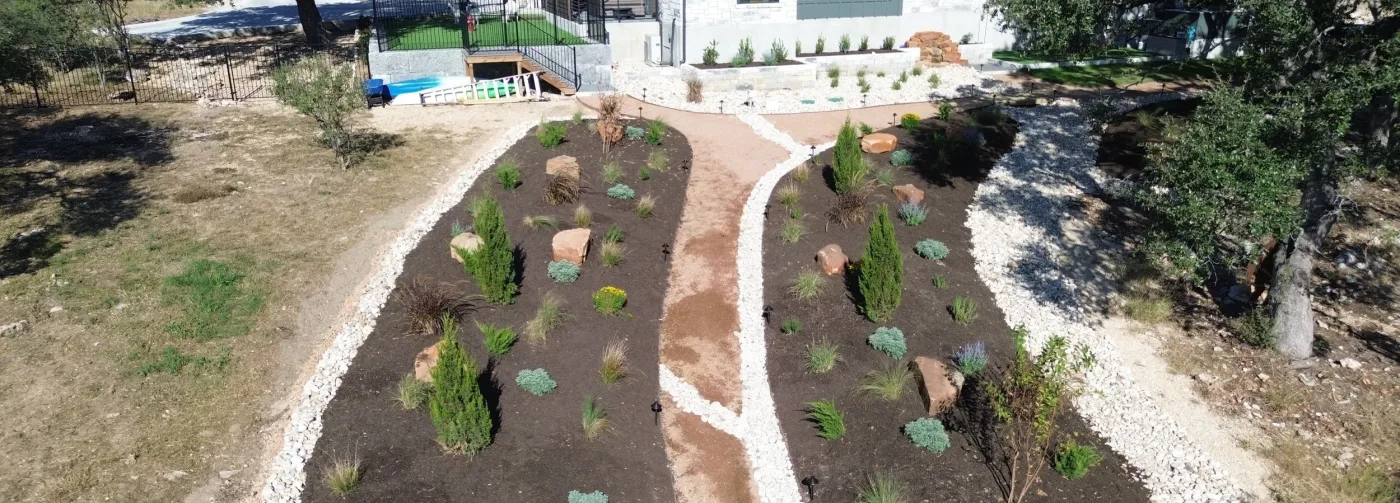
If you live in the Texas Hill Country (like in Bulverde, Spring Branch, or Boerne), you’ve probably noticed something by now. Some plants thrive here and others barely make it through their first summer.
We’ve seen plenty of landscapes that looked great on day one and struggled by year two. Usually, it’s not because the you did anything wrong. It’s because the plants were never a good fit for this climate in the first place.
That’s where Texas native plants come in.
They’re not flashy. They don’t promise instant perfection. But when chosen well, they’re the reason a yard still looks good five, ten, fifteen years down the road.
Let’s walk through some of the native plant choices that tend to make the biggest difference for Hill Country homes.
Why Native Plants Make Life Easier in the Hill Country
A lot of homeowners come to us after trying plants that looked great at the nursery but slowly declined once planted.
Native plants tend to avoid that cycle because they:
- Need less water once established
- Don’t require constant pruning or replacement
- Handle droughts and freezes better
- Age more gracefully over time
Instead of fighting the environment, they work with it. And that usually shows.
Texas Native Plants for Real Life Landscaping Needs
Need More Privacy?
Privacy comes up a lot. Maybe it’s a new neighbor, a road that got busier, or just wanting your backyard to feel more like your own.
For situations like that, these native plants tend to do the heavy lifting:
- Texas Mountain Laurel when you want dense, evergreen coverage
- Yaupon Holly when you need flexibility in height and shape
- Wax Myrtle for quicker screening on larger properties
- Agarita for lower privacy where deer are an issue
The trick is giving these plants enough space to grow. They almost always look better with time.
Looking for Shade That Actually Lasts?
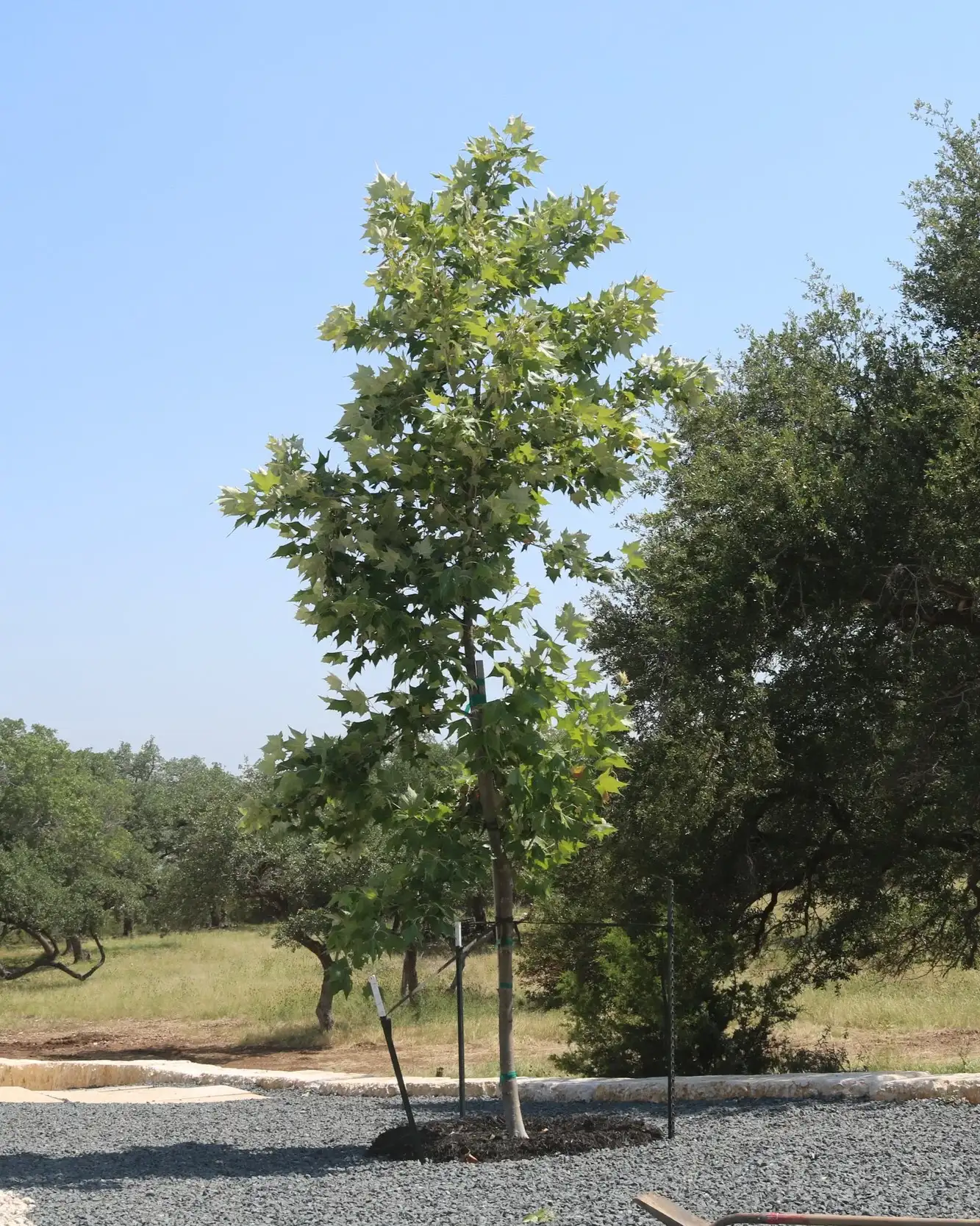
Shade trees are one of those decisions you either appreciate later or wish you’d thought through more carefully.
Some of the native trees we often recommend include:
- Live Oak for long-term, dependable shade
- Cedar Elm for tough spots and seasonal interest
- Texas Red Oak when you want quicker results
- Mexican Sycamore for areas with better moisture
Where you plant a tree matters just as much as what kind you choose. A few feet can change everything ten years from now.
Want Something Low Maintenance?
Not everyone wants to spend weekends managing their yard. And honestly, you shouldn’t have to.
For lower-effort landscapes, these native plants usually hold up well:
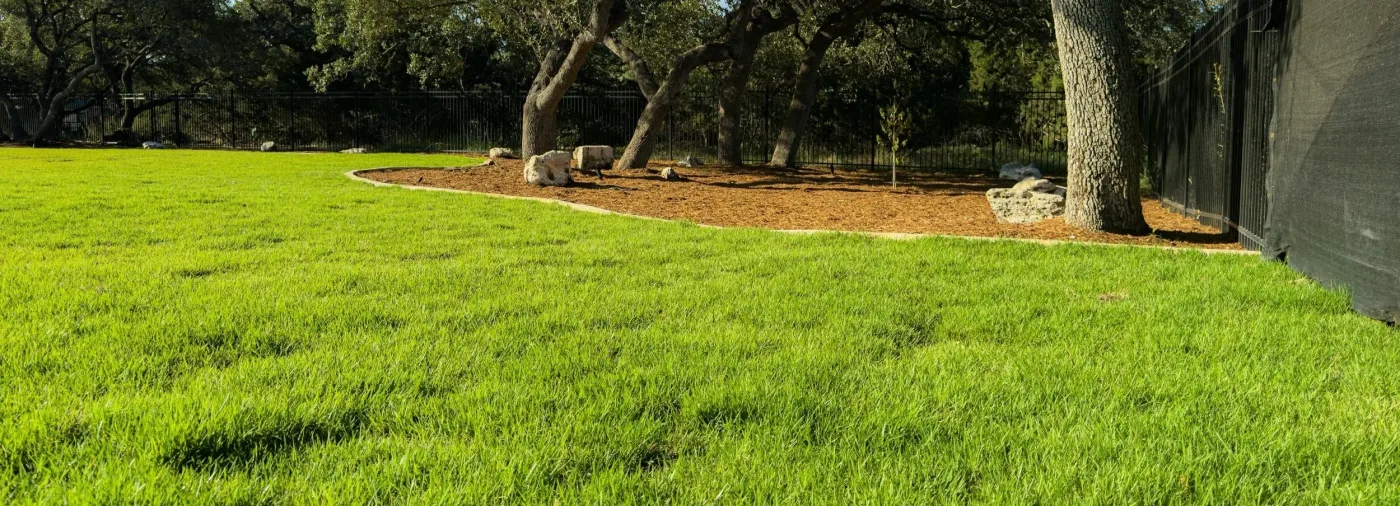
- Buffalo Grass for lawn areas with less water
- Blue Grama for a softer, more natural look
- Curly Mesquite for rocky or shallow soil
- Texas Sage for structure without much fuss
These plants tend to do best when they’re not overmanaged. Less watering and less trimming usually leads to better results.
Want Color Without Constant Replanting?
Native doesn’t mean boring. It just means being a little more intentional.
Some native plants that consistently add color:
- Autumn Sage for long bloom seasons
- Blackfoot Daisy for clean, simple contrast
- Turk’s Cap for shaded areas
- Greggs Mistflower for late-season color
Placed in the right spots, these bring life to a landscape without adding work.
Care About Birds and Pollinators?
A lot of homeowners tell us they want their yard to feel alive. Native plants naturally help with that.
A few reliable options:
- Flame Acanthus for hummingbirds
- Purple Coneflower for bees and birds
- Inland Sea Oats for movement and texture
- Milkweed for monarchs
These plants usually blend in nicely, whether your landscape leans natural or more structured.
How to Pick the Right Native Plants for Your Yard
Before planting anything, it helps to pause and look at what your property is already telling you.
A few things we usually talk through:
- How much sun different areas actually get
- Whether water drains or collects
- How shallow the soil is
- How aggressive the deer are
Matching plants to the site almost always leads to better outcomes than trying to force something to work.
Common Mistakes We See (and Fix)
Native plants are tough, but they’re not magic.
Some issues we see pretty often:
- Too much water early on
- Plants placed too close together
- Ignoring how big things get
- Mixing plants with very different needs
Most of the time, small adjustments early prevent big headaches later.
Quick Questions We Hear All the Time
Are native plants really low maintenance? Yes, especially after the first year. That first season matters, but it pays off.
Do native landscapes always look wild? Only if there’s no plan. With good spacing and structure, they can look very clean and intentional.
How long before things look established? Most shrubs and grasses settle in within a year. Trees take longer, but they’re worth the wait.
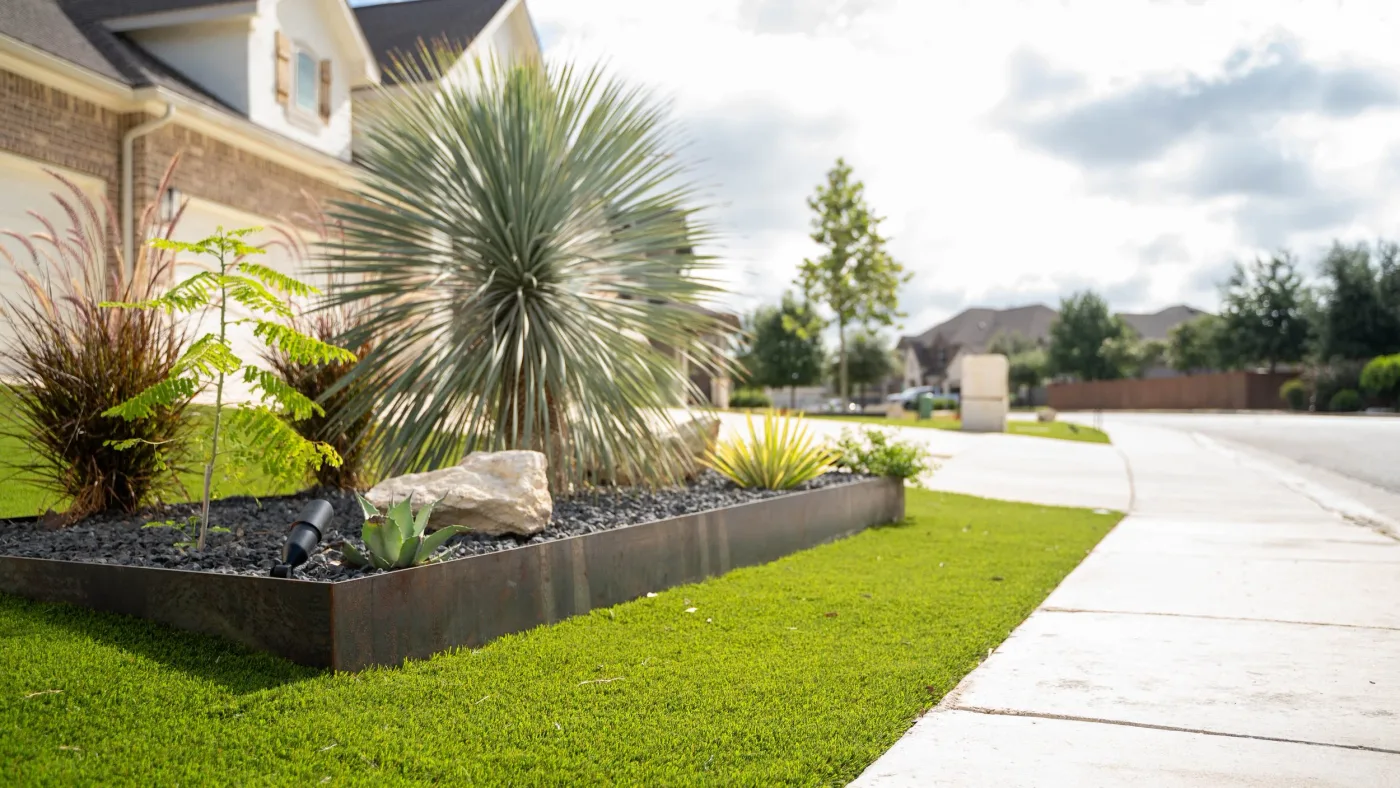
Can native plants work in higher-end or modern landscapes? Absolutely. Some of the cleanest Hill Country landscapes rely heavily on native plants.
A Final Thought
The landscapes that hold up best in the Hill Country aren’t the ones that fight the climate. They’re the ones that respect it.
Texas native plants aren’t about doing less. They’re about doing things once, doing them well, and letting the landscape grow into itself.
If you’re not sure which native plants make sense for your property, getting clarity early can save you a lot of trial and error later.